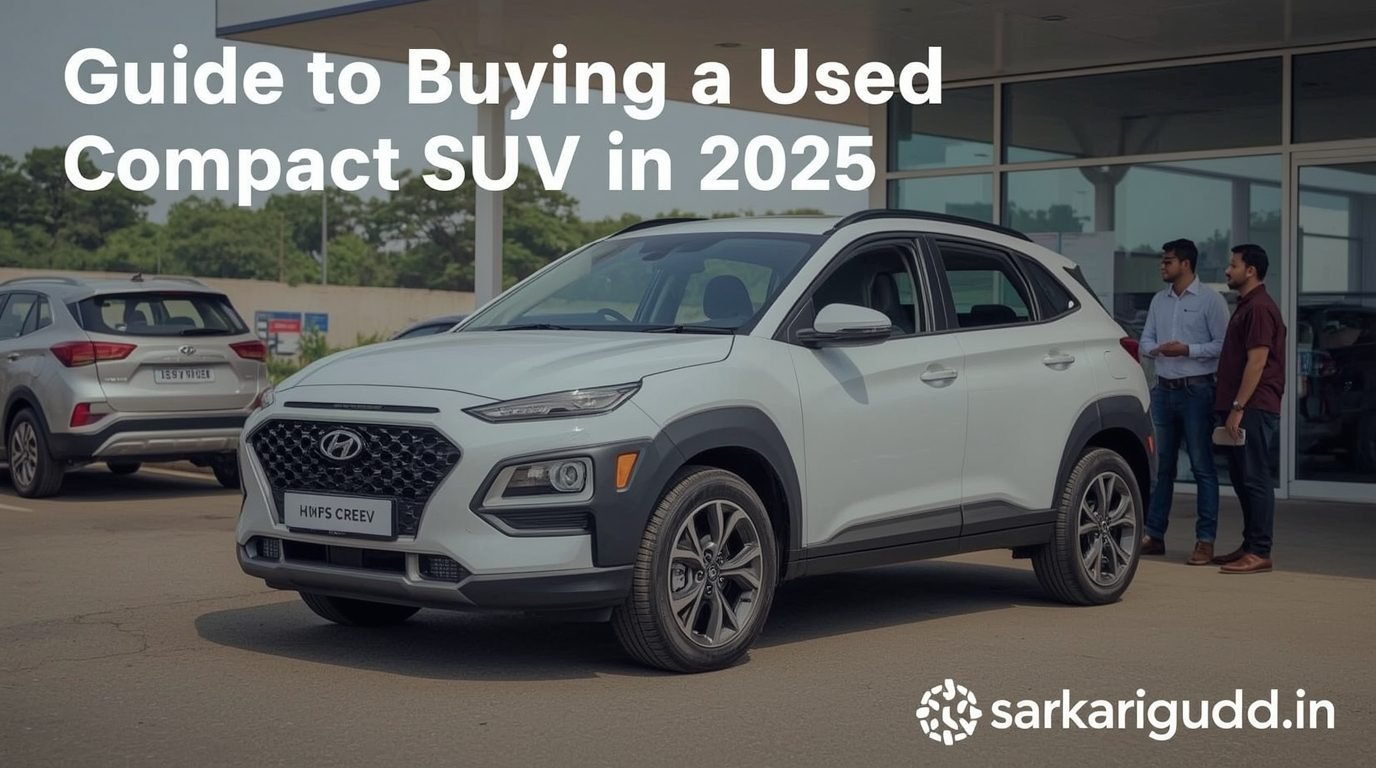
Master the art of buying a pre-owned compact SUV in 2025. This comprehensive guide covers what to check, expected price ranges, financing tips, and how to avoid costly mistakes. Get expert tips and a free test drive checklist!
Sarah, a young professional on the brink of a new adventure, stands in a sterile parking lot. The afternoon sun glints off the hood of a sleek, two-year-old compact SUV—the very model she’s been dreaming of for months. It’s the perfect size for her weekend camping trips, yet nimble enough for her city commute. The price tag is just within reach, a tantalizing promise of freedom and possibility.
But beneath the polished exterior, a whirlpool of emotions churns. Hope ✨ and excitement 🤩 mingle with a creeping sense of anxiety 🤯. What if this perfect-looking vehicle is hiding a dark secret? What if she’s about to make a massive, expensive mistake? The memory of her last car, an older sedan that devoured her savings with endless repairs, flashes in her mind, a ghost of past frustration 😠. She wants to be confident 💪, not just hopeful. She wants the relief 😌 of knowing she’s making a smart, informed decision. This isn’t just a car; it’s a tool for her future, and the fear of a bad deal is holding her back.
This emotional core—the blend of aspiration and fear—is the very human experience of buying a pre-owned car. You see the potential, but you’re afraid of the unseen risks. This article isn’t just a checklist; it’s a trusted companion on your journey. We’ll navigate the complexities of the 2025 used car market together, empowering you with the knowledge to turn that anxiety into absolute confidence. By the end of this guide, you won’t just know what to look for; you’ll know why you’re looking for it, and you’ll be ready to seize the road ahead.
The Emotional Journey: Why the Pre-Owned Compact SUV is the Digital Nomad’s Best Friend (and the Family’s Go-To)
The rise of the compact SUV isn’t just a trend; it’s a reflection of our evolving lives. We’re a generation that values versatility, safety, and a commanding view of the road. We need a vehicle that can carry camping gear one day and navigate tight city parking the next. The pre-owned compact SUV is the perfect answer, offering a blend of utility and economy without the price tag of a brand-new vehicle.
The Dream vs. The Reality: Aspiration Meets Practicality
For many, a compact SUV represents a step up. It’s the promise of more space for a growing family 👨👩👧👦, the freedom to tackle unpaved roads 🏞️, or simply the psychological comfort of a higher driving position. But the reality is that a new model is often financially out of reach. This is where the pre-owned market shines, acting as a bridge between aspiration and practicality. It’s a chance to own a vehicle with a higher trim, better features, or a more prestigious brand name than you could afford new. The challenge, however, is to ensure that you’re buying a sound investment, not a money pit.
A Look at the 2025 Market: What’s Hot and Why
As we move through 2025, the landscape of the pre-owned market is being shaped by several key factors. The global supply chain normalization has slowed new car price increases, which, in turn, has had a stabilizing effect on the used car market. We’re seeing a high demand for models with advanced safety features (like lane-keeping assist and adaptive cruise control) and integrated technology (such as Apple CarPlay and Android Auto). Hybrids and even some early-model electric compact SUVs are becoming more accessible, appealing to buyers focused on long-term fuel efficiency. Understanding these trends is the first step in your guide to buying pre-owned compact SUVs in 2025.
Foundational Knowledge: Separating Fact from Fiction in the Used Car Market
Before you even step foot on a lot, you need to understand the language of the trade. This is where you transform from a passive shopper into a savvy, informed buyer.
Understanding the Lingo: From “Certified Pre-Owned” to “Depreciation”
One of the most crucial distinctions to make is the difference between a simple used car and a certified pre-owned (CPO) SUV. This is a high-value distinction that directly impacts the price, risk, and warranty.
📊 Decoding the Deal: Buying Methods Compared
| Aspect | ✅ Certified Pre-Owned (CPO) SUV | ➡️ Independent Dealership | ❌ Private Seller |
| Price | Generally highest. Includes dealer markup for certification. | Mid-range. Varies widely based on dealer reputation and location. | Generally lowest. No middleman markup. |
| Inspection | Meticulous multi-point inspection by factory-trained technicians. | Varies widely. Some dealers perform thorough checks, others do not. | None. You are responsible for all checks. |
| Warranty | Manufacturer-backed warranty extension. A key value proposition. | Varies. Some offer limited warranties, many sell “as-is”. | None. No warranty or recourse. |
| Vehicle History | Typically comes with a guaranteed, verified vehicle history report. | Varies, but most reputable dealers will provide one. | May or may not have a report; often relies on seller’s word. |
| Recourse | High. Manufacturer and dealer are accountable. | Mid. Dependent on local laws and dealer reputation. | Very low. Little to no legal recourse if a problem arises. |
Export to Sheets
The takeaway? A certified pre-owned compact SUV offers a higher degree of trust and reduced risk, but at a premium price. A private sale is a gamble for the biggest potential savings. The most strategic move for most buyers is to conduct a thorough pre-purchase inspection regardless of where you buy.
The Golden Rule of 2025: Vehicle History Reports (and why they are non-negotiable)
Think of a vehicle history report as a car’s medical record. This document, generated by services like CarFax or AutoCheck, is your single best defense against a lemon. It’s the ultimate tool to combat the fear of a hidden history.
What a Vehicle History Report Reveals:
- Accident History: Was the car in a minor fender-bender or a major collision?
- Title Status: Is it a clean title, or has it been salvaged, rebuilt, or flood-damaged?
- Service Records: Was the car regularly maintained at a dealership or service center?
- Odometer Rollback: Does the reported mileage match the service records?
- Number of Owners: Was it a one-owner vehicle or a hot potato passed between many hands?
Warning 🚩: If a seller hesitates or refuses to provide a report, walk away. It is an immediate red flag.
Your Ultimate Pre-Purchase Checklist: 🔑 What to Check When Buying a Used SUV
This is the most critical section. This is where you become the expert inspector. Print this out, save it on your phone, and follow it to the letter. Don’t let your curiosity get the best of you—be meticulous.
The Exterior Inspection: More Than Just Dents & Scratches
This isn’t about cosmetic perfection; it’s about uncovering a history of damage.
- Paint & Body: Stand back and look at the car from different angles. Does the paint color match on all panels? Inconsistent paint or tiny overspray spots could indicate a repaint after an accident. Check for unusual panel gaps—uneven spacing between doors, hood, or trunk could mean the car’s frame was bent.
- Tires: Check the tire tread. Are all four tires from the same brand and model? Uneven wear could point to a suspension or alignment issue. Look for a date code on the sidewall to see how old they are.
- Undercarriage: Get down and look underneath. Use a flashlight 🔦. Look for rust, especially on the frame. Drips or stains could indicate a leak.
Under the Hood: The Heart of the Machine ❤️
This is where you’ll find the most expensive potential problems.
- Engine & Fluids: With the engine off and cold, check the oil, transmission fluid, and coolant levels. Oil should be amber or light brown, not black and sludgy. Transmission fluid should be red and transparent. Look for signs of leaks.
- Belts & Hoses: Do the rubber belts look cracked or frayed? Squeeze the hoses—they should be firm but pliable, not hard or mushy.
- Listen to the Start: Turn the key. Does the engine start without hesitation? Listen for any grinding, squealing, or rattling sounds.
The Interior Deep Dive: Comfort, Function, and Red Flags
The interior tells a story about how the previous owner cared for the vehicle.
- Electronics: Test every single button, switch, and knob. Does the infotainment screen work? The radio? The heated seats? The power windows and locks? A malfunctioning component could indicate a costly repair.
- Climate Control: Turn the AC on max cool. Does it get cold quickly? Test the heat as well. A weak or non-functioning AC is a common pain point.
- Smell: Does the car smell musty or moldy? This is a classic sign of water damage or a leaky seal.
- Upholstery: Check under the floor mats for signs of rust or mold. Lift the carpet in the trunk as well.
The Test Drive: Listen, Feel, and Trust Your Gut 🧠
A test drive is more than a joyride; it’s your final diagnostic test. Turn off the radio and listen.
- Acceleration & Braking: Does the SUV accelerate smoothly? Or is it sluggish? Are the brakes spongy, or do they feel firm and responsive? Listen for grinding or squealing.
- Steering & Suspension: Drive down a straight road. Does the car pull to one side? Go over bumps and listen for any knocking or rattling sounds from the suspension.
- Transmission: Pay close attention to gear changes. Are they smooth and seamless, or do you feel a jarring lurch? This is a major sign of a potential transmission issue.
- Highway Test: Get it up to highway speed. Does it feel stable? Listen for wind noise or unusual humming from the tires or engine.
Navigating the Price Maze: Expected Price Ranges for a Pre-Owned Compact SUV in 2025 📊
The question on everyone’s mind is, “What should I pay?” The answer is complex, but with the right data, you can approach the negotiation with a clear head. The used compact SUV price ranges in 2025 are still influenced by market demand and the specific factors of the vehicle itself.
Factors that Impact Price: A Data-Driven Breakdown
- Mileage & Age: The lower the mileage and newer the model year, the higher the price. A car with 30,000 miles will command a significantly higher price than one with 90,000 miles.
- Trim Level & Features: A base model will always be cheaper than a top-tier trim with all the bells and whistles (e.g., sunroof, premium audio, leather seats).
- Condition: A pristine vehicle with a full service history is worth more than one with dings, scratches, and no records.
- Supply & Demand: Popular, reliable models like the Honda CR-V or Toyota RAV4 hold their value better due to high demand.
Illustrative Price Ranges by Segment & Reliability
Here’s a plausible snapshot of the market in 2025, based on current trends and historical data. Prices are estimates and will vary by region, condition, and specific options.
The 2025 Used Compact SUV Market Snapshot
| Model | Model Years | Expected Mileage | Plausible Price Range (USD) | Why it’s a Smart Buy |
| Toyota RAV4 | 2021-2023 | 25,000-50,000 | $23,000 – $32,000 | ✅ Legendary reliability, high resale value, good fuel economy. |
| Honda CR-V | 2021-2023 | 25,000-50,000 | $22,500 – $31,500 | ✅ Spacious interior, comfortable ride, low ownership costs. |
| Mazda CX-5 | 2021-2023 | 25,000-50,000 | $21,000 – $30,000 | ✅ Premium interior feel, sporty handling, strong safety ratings. |
| Hyundai Tucson | 2022-2024 | 15,000-40,000 | $20,000 – $28,000 | ✅ Bold design, tech-heavy, excellent warranty (if transferable). |
| Subaru Forester | 2021-2023 | 30,000-55,000 | $20,500 – $29,000 | ✅ Standard all-wheel drive, high safety scores, great for outdoorsy types. |
| Ford Escape | 2022-2024 | 20,000-45,000 | $19,000 – $27,000 | ✅ Variety of powertrains (including hybrid), modern features, competitive price. |
Export to Sheets
Pro Tip: Remember that the total cost of ownership goes beyond the sticker price. Factor in projected fuel costs, insurance, and routine maintenance. A slightly higher purchase price for a more reliable used compact SUV might save you thousands in the long run.
The Negotiation Masterclass: How to Get the Best Deal Without the Stress
For many, this is the most daunting part of the process. It doesn’t have to be. Think of it less as a confrontation and more as a data-driven conversation.
Do Your Homework: Research is Your Superpower 🚀
Before you even talk numbers, you must have your own data. Use online tools like Kelley Blue Book, Edmunds, and NADA to get a fair market value for the specific vehicle you’re looking at. Print these out or have them ready on your phone. This information is your shield against an inflated price.
The Art of the Offer: Starting Low and Aiming High
- Never start with the asking price. Your first offer should be slightly below the fair market value you researched. This gives you room to negotiate up.
- Justify your offer. Use the data you’ve collected. Point out minor imperfections: “I see a few small scratches on the bumper, and the tires will need replacing in the next 10,000 miles. Based on my research and those costs, I’m comfortable offering X.” This makes your offer seem less arbitrary and more informed.
- Be willing to walk away. The most powerful tool in any negotiation is the ability to walk away. Don’t fall in love with a car before you’ve bought it. If the seller isn’t willing to meet you at a reasonable price, there will always be another option.
Common Pitfalls to Avoid: Don’t Fall for These Traps 🚧
- The “Monthly Payment” Trick: Dealers will often try to focus the conversation on your monthly payment, not the total price. This is a tactic to get you to agree to a higher price and a longer loan term. Always negotiate the total price first.
- The “Hard Sell”: Don’t let a salesperson pressure you. A good deal will be there tomorrow. If you feel uncomfortable, simply say, “I need to think about it,” and leave.
- Ignoring the Paperwork: Before you sign anything, read every line of the contract. Ensure the agreed-upon price is correct and there are no hidden fees. A mistake here could cost you a significant amount of money.
The Final Countdown: Securing Your Pre-Owned SUV with Confidence
You’ve done the research, conducted the inspections, and negotiated a great price. Now it’s time to close the deal.
Understanding Financing Options: From Dealership to Credit Union
You have choices when it comes to used compact SUV financing. You don’t have to take the first offer from the dealership.
- Pre-Approved Loan: Get pre-approved for a loan from your bank or a credit union before you start shopping. This gives you a clear budget and turns you into a cash buyer, which can give you leverage in negotiations.
- Dealership Financing: Dealerships have relationships with multiple lenders and can often secure competitive rates. However, their primary goal is to make a profit, so compare their offer to your pre-approved loan.
The Importance of a Pre-Purchase Inspection (PPI) 💡
Even if the seller provides a clean vehicle history report and the car looks perfect, this is your final safeguard. Take the car to an independent mechanic for a PPI. It typically costs $150-$300, and it’s the best money you will ever spend. An experienced mechanic will put the car on a lift and can spot issues that you would never see, from worn bushings to a leaking gasket. It’s the ultimate confidence booster and a potential deal-saver.
Paperwork & Legalities: A Step-by-Step Guide
- Title Transfer: Ensure the seller has a clear title to the vehicle. You will need to sign it over and register the car in your name at the DMV.
- Bill of Sale: A bill of sale is a simple document that records the transaction. It should include the VIN, price, and names and signatures of both parties.
- Insurance: Have an insurance policy ready to go before you drive the car off the lot.
Conclusion: Your Road to Confidence Starts Here
Buying a pre-owned compact SUV doesn’t have to be a source of stress and fear. It can be a journey of empowerment, discovery, and ultimately, great reward. You’ve walked through the emotional landscape, armed yourself with expert knowledge, and followed a meticulous, data-driven process. The anxiety of the unknown has been replaced by the quiet confidence of a savvy buyer.
The open road is waiting. Don’t let a bad deal stand in your way.
Ready to take the next step towards finding the perfect vehicle for your lifestyle? 🎯 Click here to explore our curated list of the most reliable pre-owned compact SUV models for 2025 and get a free, downloadable test drive checklist!